Ground Coffee Letterings: Crafting Authentic Brand Aesthetics
There’s a certain warmth that comes with the smell of roasted beans and the texture of a burlap sack. If you’re designing for a boutique, a cozy café, or a lifestyle brand that values organic aesthetics, standard geometric fonts often fall flat. They lack the tactile, human element required to tell a story of craftsmanship. This is where Ground Coffee Letterings enters the conversation. It isn’t just a typeface; it is a carefully curated system of design assets that brings the rustic charm of the coffeehouse directly to your canvas. By combining distressed textures with intentional imperfections, this collection captures the essence of a slow morning and a handcrafted brew.
The Anatomy of a Rustic Typeface
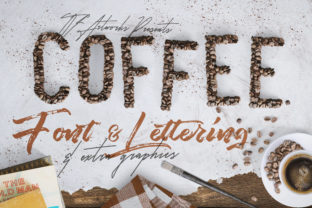
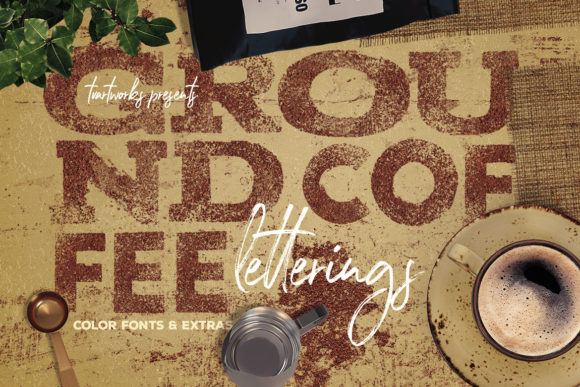
When we talk about Ground Coffee Letterings, we aren't discussing a single static image. The core of this collection is a premium font that mimics the look of coffee grounds spilled onto paper. The visual characteristics are distinct: you’ll notice irregular baselines, varying stroke weights, and a distressed finish that suggests age and authenticity. Unlike a sterile sans serif font, this handwritten font style communicates personality immediately. It feels organic, perhaps slightly gritty, yet incredibly inviting. It bridges the gap between a script font and a display face, offering the legibility of the latter with the artistic flair of the former.
However, the real value lies in the accompanying assets. You receive a set of 4 PNG ground coffee letterings, which are pre-rendered text graphics perfect for quick layering in photo editing software. Alongside these, the inclusion of Scrabble lettering and black ink lettering provides versatility. You can mix the tactile, granular coffee look with the structured, wooden aesthetic of Scrabble tiles or the stark contrast of wet ink. This variety allows you to construct visual hierarchies where headers might use the bold coffee texture, while sub-headers utilize the cleaner ink style. Furthermore, the package includes 6 color fonts, allowing you to change the hue of the texture without losing the gritty detail—a feature that modern typography enthusiasts will appreciate.
Strategic Applications: From Packaging to Digital Presence
Understanding where to deploy a creative font like this is half the battle. Its personality is strong, so it demands a setting where it can shine without overwhelming the viewer. The most natural fit is packaging design. Imagine a coffee bag, a chocolate bar wrapper, or artisanal soap label. Using Ground Coffee Letterings for the product name instantly signals "handmade" and "natural." It serves as a visual shorthand for quality ingredients and small-batch production.
Beyond physical products, the font excels in logo design for startups in the food and beverage sector. A bakery or a brunch spot can build an entire brand identity around this typeface. Because the collection includes 6 background textures and 6 ground coffee backgrounds PNG, you can create cohesive stationery sets. Business cards, menus, and loyalty cards can all share the same textural DNA, ensuring consistency across all customer touchpoints.
For digital marketers and content creators, the utility extends to social media graphics. Instagram stories and Pinterest pins require immediate visual impact. A bold quote rendered in coffee lettering stops the scroll because it feels different from the standard digital fonts. It adds a layer of tactile realism to the screen. Similarly, in editorial design, specifically for food blogs or lifestyle magazines, these assets can be used for pull quotes or section dividers, adding a decorative element that reinforces the magazine's theme without distracting from the body text.
Mastering Visual Hierarchy and Pairings
A common mistake with display fonts is using them for body copy. Ground Coffee Letterings is a display font; it is meant for headlines, logos, and short bursts of text. If you try to write a paragraph with it, you will destroy readability. The texture becomes noise at small sizes. Therefore, your font pairing strategy is critical. To maintain a professional layout, you need a clean, neutral partner.
A simple, geometric sans serif font works best for body copy. Think of fonts like Helvetica, Open Sans, or Lato. Their clean lines provide a resting place for the eye after viewing the textured headers. If your brand leans more traditional or vintage, you could opt for a classic serif font for your body text, such as Garamond or Merriweather. This combination—rustic display header paired with elegant serif body—creates a sophisticated visual hierarchy that guides the reader naturally from the headline to the message.
The collection includes 12 various object sets PNG, which are essential for filling negative space. These might include coffee beans, cups, or splashes. When using these, ensure they don't crowd the typography. White space is your friend. It allows the texture of the lettering to breathe and ensures the design looks curated rather than cluttered. Good web design principles apply here: just because you have the asset doesn't mean you have to use it.
Evaluating Fit and Commercial Use
Before integrating Ground Coffee Letterings into a major campaign, it is vital to evaluate the project fit. Ask yourself: does the brand voice align with warmth and authenticity? If you are designing for a tech startup or a high-fashion law firm, this font will likely feel out of place. However, for a farm-to-table restaurant, a hiking blog, or a cozy candle maker, it is the perfect match.
When testing the font, look at the kerning (the space between letters). Distressed fonts often have fixed kerning that looks "loose" to simulate natural placement. You may need to manually adjust tracking in your design software to ensure the letters connect visually without physically touching. Also, review the included styles. The transition between the black ink lettering and the ground coffee letterings should be smooth. Ensure the weight of the ink matches the visual weight of the coffee grounds so they don't feel like two separate families.
Finally, consider the commercial font licensing. If you are a small business owner creating merchandise to sell—like t-shirts, mugs, or posters—you need to ensure the license covers physical end-products. Most premium design assets offer this, but it is a detail that separates a hobbyist from a professional. By utilizing the full suite of assets, from the 6 background textures to the PNG letterings, you can create a robust, multi-platform design system that feels cohesive, professional, and deeply human.